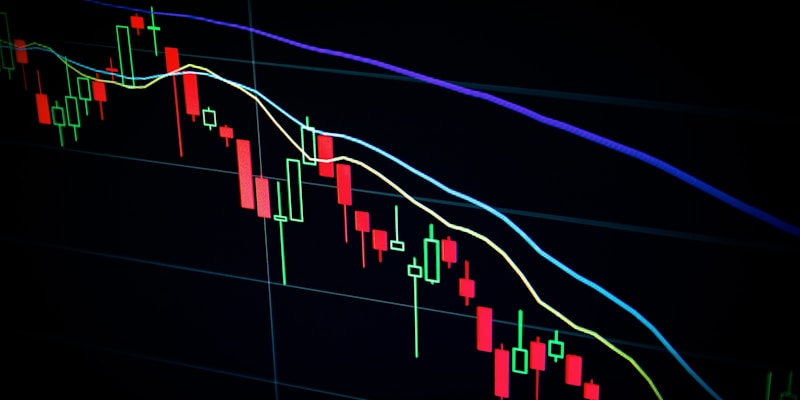
The Modern Landscape of Web3 Liquidity
Market making is the engine of financial markets. In cryptocurrency, where trading runs 24 hours a day, 365 days a year across hundreds of fragmented venues, reliable automated market making is not a luxury — it is a survival requirement.
How Automated Market Makers (AMM) Differ from Order Book MM
| Feature | Order Book Market Making (CEX) | Automated Market Making (DEX) |
|---|---|---|
| Execution | Centralized matching engine | On-chain smart contract pools |
| Pricing Model | Limit orders placed by algorithms | Constant product formula (x × y = k) |
| Slippage Control | Order depth stacking | Liquidity pool size & virtual tick ranges |
| Capital Custody | Exchange accounts | Non-custodial smart contracts |
Strategy Implementation Roadmap
- 1Exchange Onboarding: Establish institutional sub-accounts and request market maker fee rebates.
- 2Strategy Calibration: Configure grid density, inventory skew, and volatility protection thresholds.
- 3Liquidity Seeding: Deposit working capital (USDT / Token pairs) in balanced ratios.
- 4Active Rebalancing: Algorithms dynamically adjust quotations to absorb natural order flow without capital depletion.